Lambrusco vs Gamay (Beaujolais): how to tell them apart blind
What tells them apart
Both are purple, juicy and light: bubbles and a touch of sweetness point to Lambrusco; a still, dry wine with banana or bubblegum points to Gamay.
Side by side
What a typical glass of each most often shows. The rows marked ✓ are where the two differ most; check those first.
| Lambrusco | Gamay (Beaujolais) | |
|---|---|---|
| Colour | red | ruby, purple |
| Colour depth | medium, deep | pale |
| Sweetness | off-dry | dry |
| Acidity | high | high |
| Tannin | low | |
| Body | light, medium | light |
| Alcohol | low, medium | medium |
| Smell strength | medium | medium, light |
| Fruit | red fruit | red fruit |
| Ripeness of the fruit | ripe | sharp and fresh, ripe |
| Aromas | violet | banana, bubblegum, pear drop, violet, cola, sarsaparilla, and forest floor |
| Origin | Emilia-Romagna, Italy | Beaujolais, France |
| Grape | Lambrusco | Gamay |
| Style family | Red sparkling | Light, pale and aromatic red |
About each wine
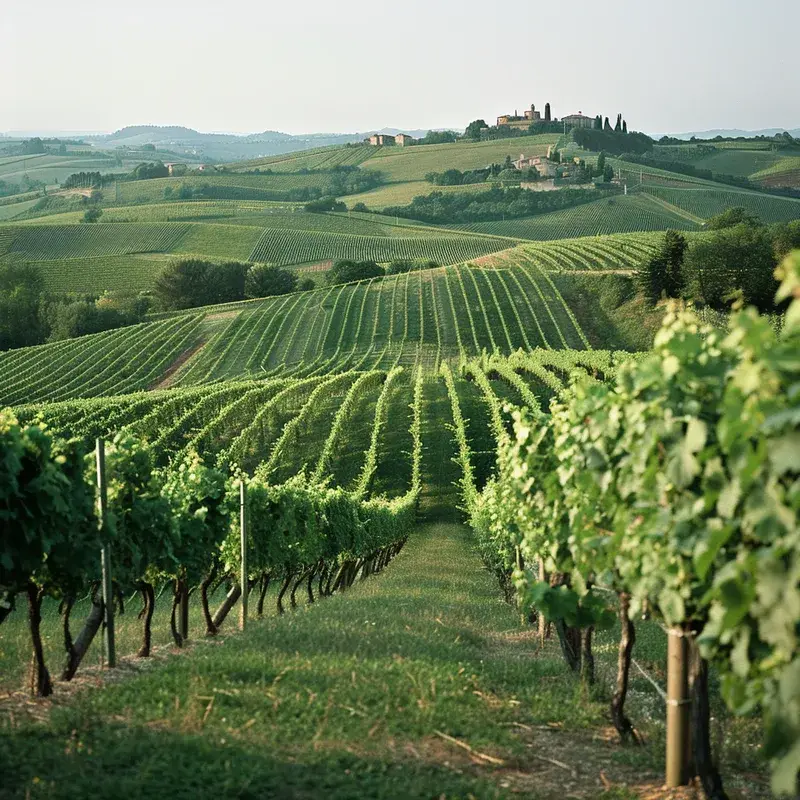
Lambrusco. Purple with a pink froth, off-dry and high in acidity, grapey red cherry and blackberry with violet.
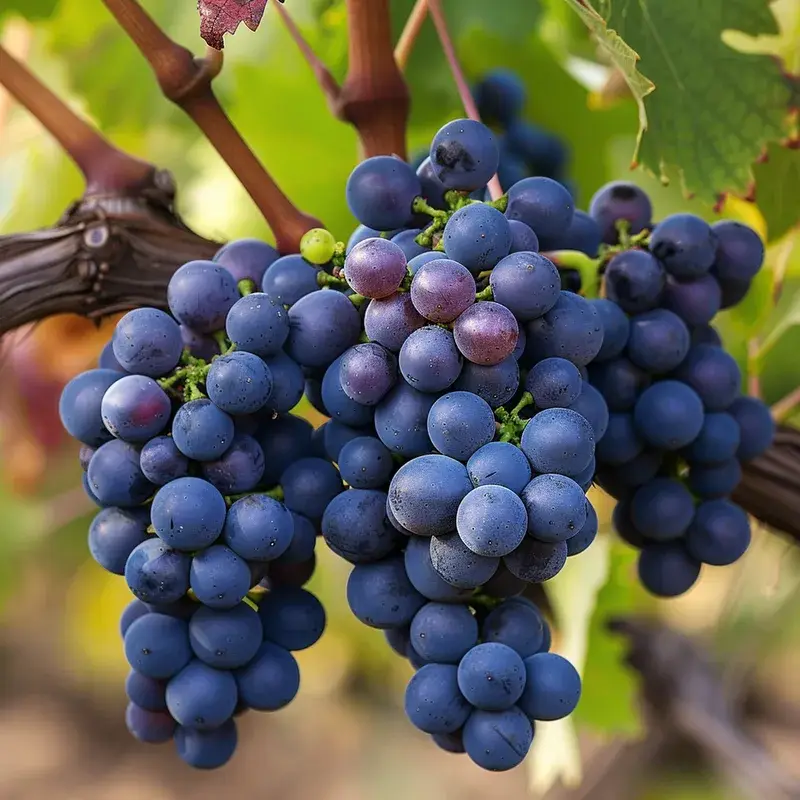
Gamay (Beaujolais). Pale ruby, barely any tannin, mouth-watering acidity, red fruit that can smell of banana or bubblegum from carbonic maceration.
Pour the two side by side and let Deduvin ask you, one glass at a time, until you can say which is which.