How to recognise Lambrusco blind
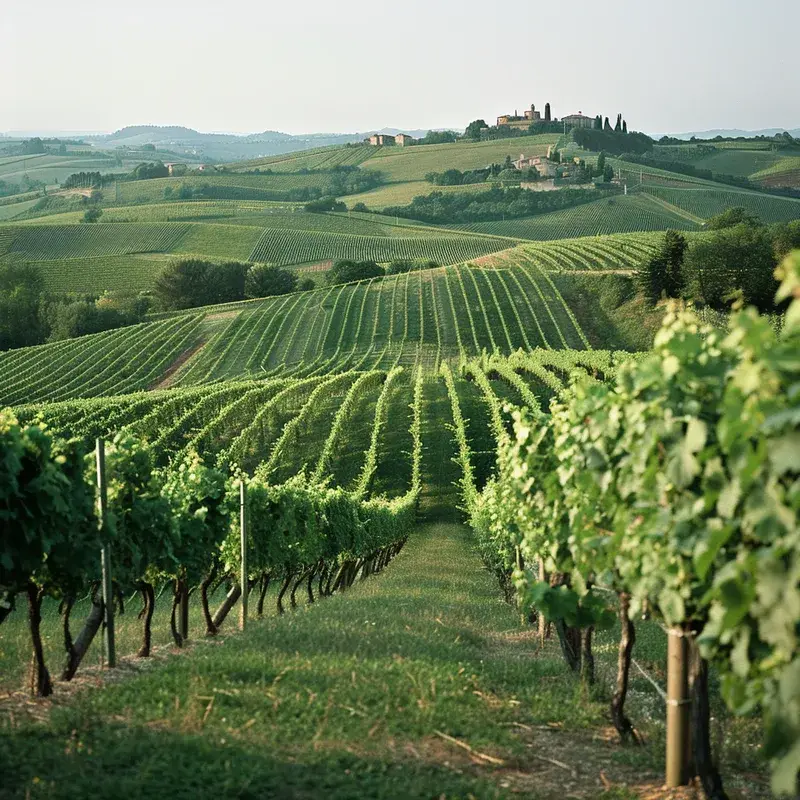
Purple with a pink froth, off-dry and high in acidity, grapey red cherry and blackberry with violet.
How to use this note: the lines below say what a typical glass most often shows, and what it sometimes shows instead. A single glass can differ, so look for the pattern rather than one clue. The words are the same ones Deduvin asks you to tap. Read the lines in the order you taste: the look first, then the nose, then the palate.
Look
- Colour: red.
- Colour depth: most often medium, sometimes deep.
Nose
- Smell strength: medium.
- Fruit: red fruit.
- Ripeness of the fruit: ripe.
- Aromas to look for: violet.
Palate
- Sweetness: off-dry.
- Acidity: high.
- Body: most often light, sometimes medium.
- Alcohol: most often low, sometimes medium.
Easily confused with
- Gamay (Beaujolais). Both are purple, juicy and light: bubbles and a touch of sweetness point to Lambrusco; a still, dry wine with banana or bubblegum points to Gamay. How to tell Lambrusco and Gamay (Beaujolais) apart
Where it comes from
Origin: Emilia-Romagna, Italy. Grape: Lambrusco.
- Style family: Red sparkling.
- Climate: Moderate.
- Other: Unoaked and Single variety.
- Old or new world: Old World.
- Price: Everyday.
Other wines from the same country: Nerello Mascalese (Etna), Sangiovese (Chianti), Valpolicella Ripasso, Nebbiolo (Barolo, Barbaresco), Primitivo, Zinfandel, Pinot Grigio (northern Italy), Garganega, Verdicchio (Soave, Marche), Prosecco (tank method).