How to recognise Garnacha (Spain) blind
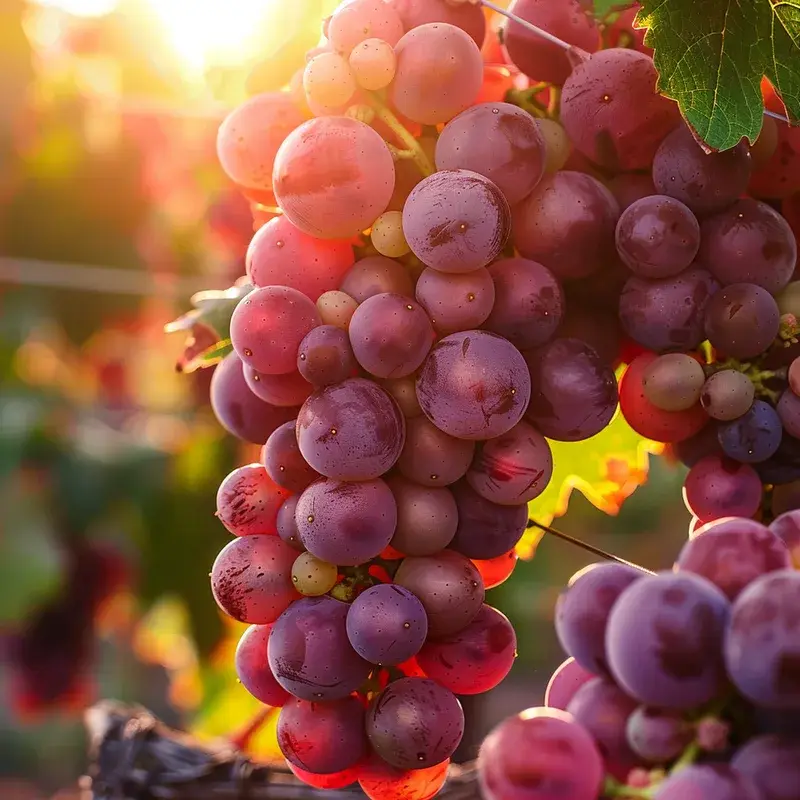
Medium ruby, soft and warm, ripe strawberry with white pepper and sometimes a stony note.
How to use this note: the lines below say what a typical glass most often shows, and what it sometimes shows instead. A single glass can differ, so look for the pattern rather than one clue. The words are the same ones Deduvin asks you to tap. Read the lines in the order you taste: the look first, then the nose, then the palate.
Look
- Colour: ruby.
- Colour depth: medium.
Nose
- Smell strength: medium.
- Fruit: red fruit.
- Ripeness of the fruit: most often ripe, sometimes jammy or dried.
- Aromas to look for: white pepper, wet stone, flint, and dried herbs, thyme.
Palate
- Sweetness: dry.
- Acidity: medium.
- Tannin: most often low, sometimes medium.
- Body: medium.
- Alcohol: high.
Easily confused with
- Grenache blend (Southern Rhône, Côtes du Rhône). Garrigue herbs and pepper from the blend point to the Southern Rhône; purer strawberry, warmth and sometimes a stony note point to Spanish Garnacha. How to tell Grenache blend (Southern Rhône, Côtes du Rhône) and Garnacha (Spain) apart
- Primitivo, Zinfandel. Strawberry and white pepper point to Garnacha; raisin, fig, sweetness and darker fruit point to Primitivo. How to tell Garnacha (Spain) and Primitivo, Zinfandel apart
Where it comes from
Origin: Aragón and Navarra, Spain. Grape: Garnacha (Grenache).
- Style family: Full, ripe and spicy red.
- Climate: Warm.
- Other: Single variety.
- Old or new world: Old World.
- Price: Everyday.
Other wines in the same family: Shiraz (Barossa, warm Australia), Grenache blend (Southern Rhône, Côtes du Rhône), Primitivo, Zinfandel, Malbec (Mendoza), Carmenère (Chile), Pinotage (South Africa), Montepulciano, Nero d'Avola (southern Italy), Amarone della Valpolicella.