How to recognise Vermentino (Sardinia, Liguria) blind
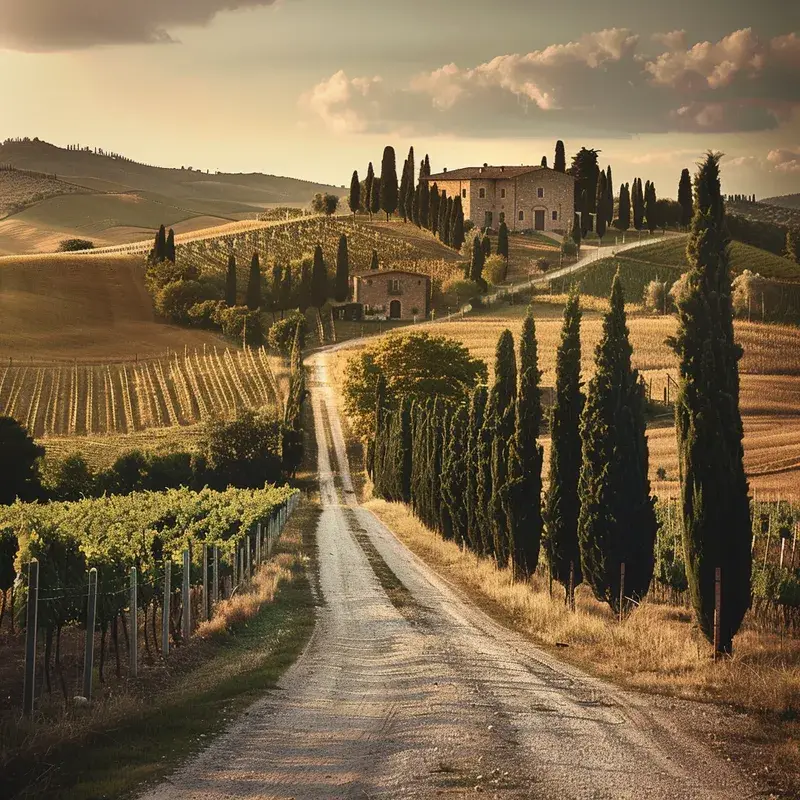
Pale lemon, medium acidity, citrus and white peach with rosemary-like herbs and a saline finish.
How to use this note: the lines below say what a typical glass most often shows, and what it sometimes shows instead. A single glass can differ, so look for the pattern rather than one clue. The words are the same ones Deduvin asks you to tap. Read the lines in the order you taste: the look first, then the nose, then the palate.
Look
- Colour: lemon.
- Colour depth: pale.
Nose
- Smell strength: most often medium, sometimes light.
- Fruit: most often citrus, sometimes stone fruit.
- Ripeness of the fruit: ripe.
- Aromas to look for: dried herbs, thyme and wet stone, flint.
Palate
- Sweetness: dry.
- Acidity: most often medium, sometimes high.
- Body: medium.
- Alcohol: medium.
Easily confused with
- Albariño (Rías Baixas). Both are saline: rosemary-like herbs with medium acidity point to Vermentino; peach, blossom and higher acidity point to Albariño. How to tell Vermentino (Sardinia, Liguria) and Albariño (Rías Baixas) apart
Where it comes from
Origin: Sardinia, Liguria and Tuscany, Italy. Grape: Vermentino.
- Style family: Crisp, light and neutral white.
- Climate: Warm.
- Other: Unoaked and Single variety.
- Old or new world: Old World.
- Price: Everyday and Mid-range.
Other wines in the same family: Chardonnay (Chablis, unoaked), Pinot Grigio (northern Italy), Garganega, Verdicchio (Soave, Marche), Albariño (Rías Baixas), Assyrtiko (Santorini), Muscadet (Melon de Bourgogne), Vinho Verde.