Verdejo (Rueda) vs Sauvignon Blanc (Sancerre, Loire): how to tell them apart blind
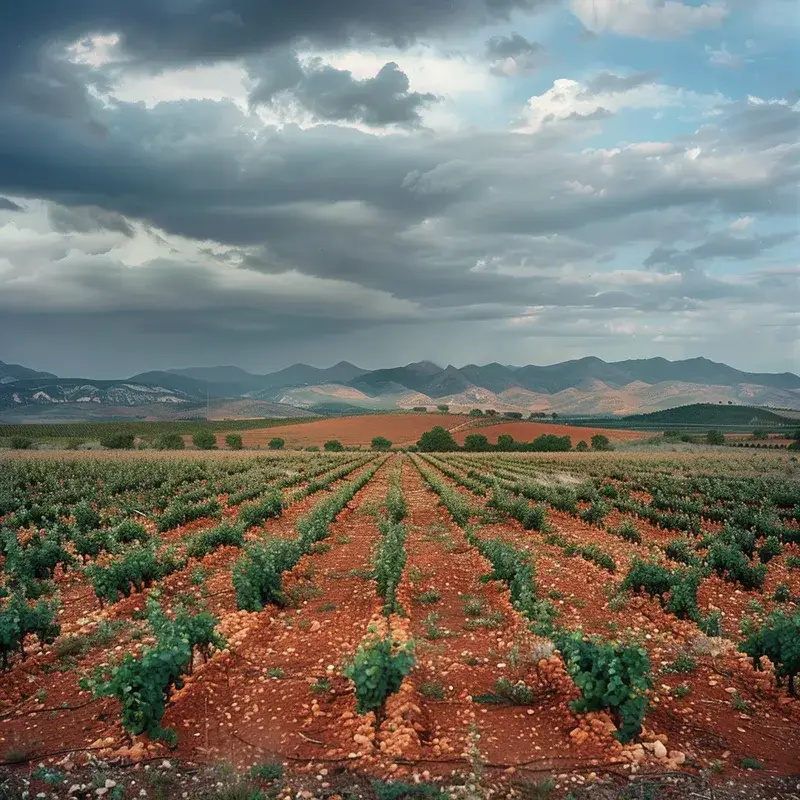
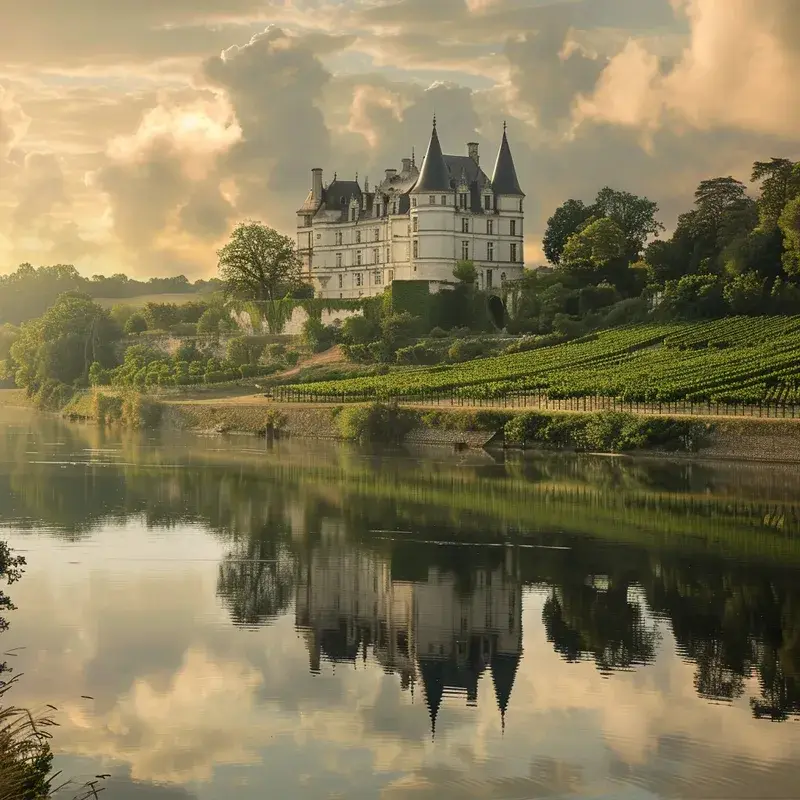
What tells them apart
Fennel, herbs and a bitter-almond finish point to Verdejo; cut grass, gooseberry and a stony, sharper finish point to Sancerre.
Side by side
What a typical glass of each most often shows. The rows marked ✓ are where the two differ most; check those first.
| Verdejo (Rueda) | Sauvignon Blanc (Sancerre, Loire) | |
|---|---|---|
| Colour | lemon-green, lemon | lemon-green |
| Colour depth | pale | pale |
| Sweetness | dry | dry |
| Acidity | high | high |
| Body | medium | light, medium |
| Alcohol | medium | medium |
| Smell strength | pronounced, medium | pronounced, medium |
| Fruit | citrus, tropical fruit | citrus, apple and pear |
| Ripeness of the fruit | ripe | sharp and fresh |
| Aromas | dried herbs, thyme, nuts, almond, and cut grass | cut grass, wet stone, flint, elderflower, and tomato leaf |
| Origin | Rueda, Spain | Sancerre, Loire, France |
| Grape | Verdejo | Sauvignon Blanc |
| Style family | Aromatic, green and zesty white | Aromatic, green and zesty white |
About each wine
Verdejo (Rueda). Pale lemon-green, citrus and melon with fennel and herbs, and a typical bitter-almond finish.
Sauvignon Blanc (Sancerre, Loire). Pale lemon-green, racy and dry, gooseberry and citrus with cut grass, elderflower and flint.
Pour the two side by side and let Deduvin ask you, one glass at a time, until you can say which is which.