How to recognise Spätburgunder (Germany) blind
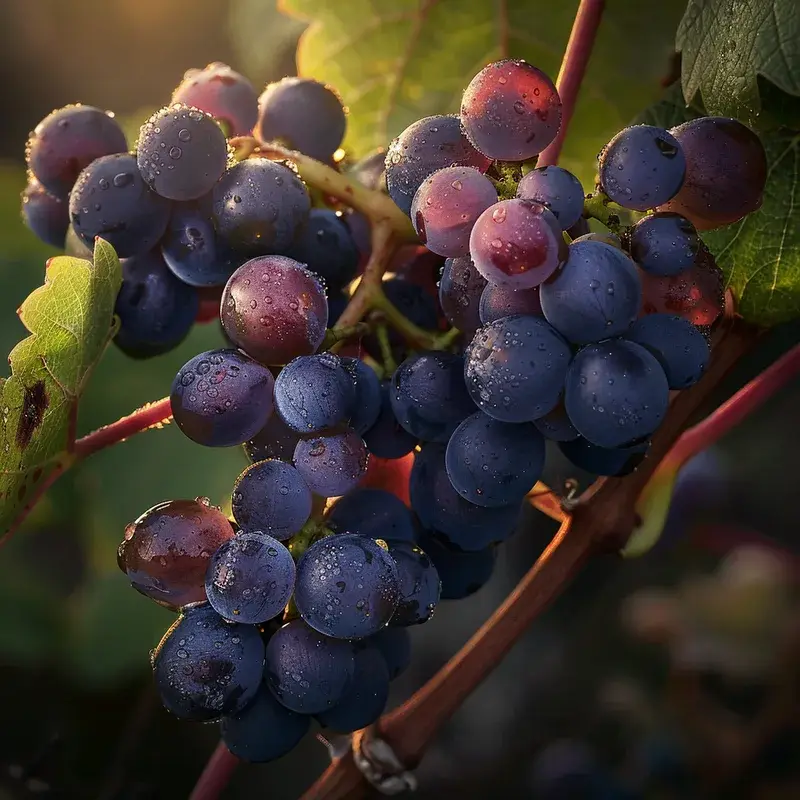
Pale to medium ruby, gentle tannin and fresh acidity, ripe red cherry and strawberry with a smoky, spicy touch from the barrel.
How to use this note: the lines below say what a typical glass most often shows, and what it sometimes shows instead. A single glass can differ, so look for the pattern rather than one clue. The words are the same ones Deduvin asks you to tap. Read the lines in the order you taste: the look first, then the nose, then the palate.
Look
- Colour: ruby.
- Colour depth: most often pale, sometimes medium.
Nose
- Smell strength: most often medium, sometimes light.
- Fruit: red fruit.
- Ripeness of the fruit: ripe.
- Aromas to look for: smoke, ash, clove, cinnamon, and forest floor.
Palate
- Sweetness: dry.
- Acidity: high.
- Tannin: most often low, sometimes medium.
- Body: most often light, sometimes medium.
- Alcohol: medium.
Easily confused with
No close neighbour is listed for this wine yet.
Where it comes from
Origin: Baden, Pfalz and Ahr, Germany. Grape: Spätburgunder.
- Style family: Light, pale and aromatic red.
- Climate: Cool.
- Other: Single variety.
- Old or new world: Old World.
- Price: Mid-range.
Other wines in the same family: Gamay (Beaujolais), Pinot Noir (Bourgogne), Pinot Noir (New Zealand, Oregon, Chile), Nerello Mascalese (Etna), Zweigelt (Austria).