Champagne and Crémant vs Prosecco (tank method): how to tell them apart blind
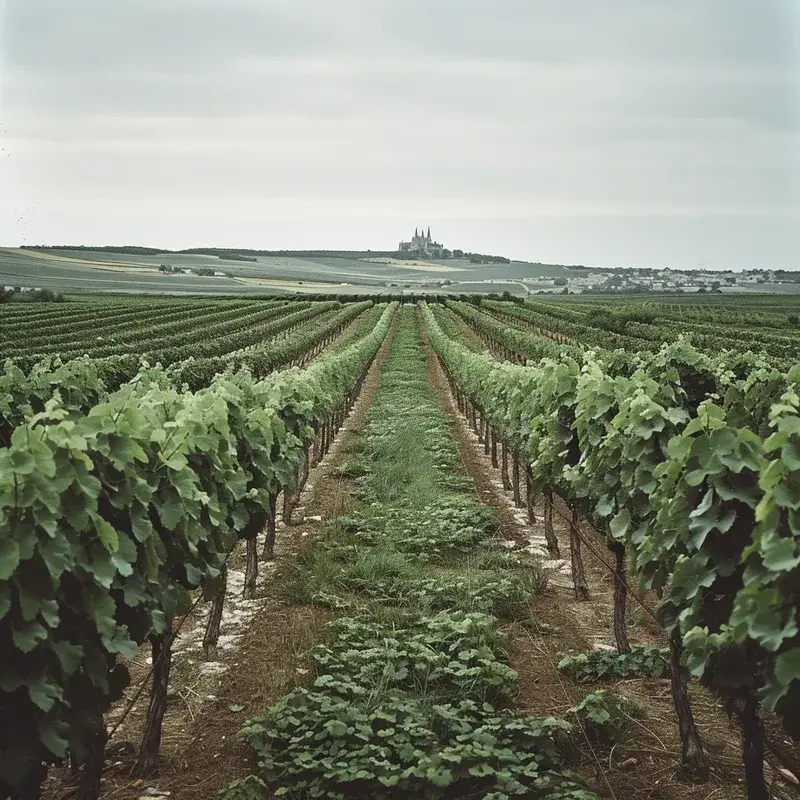
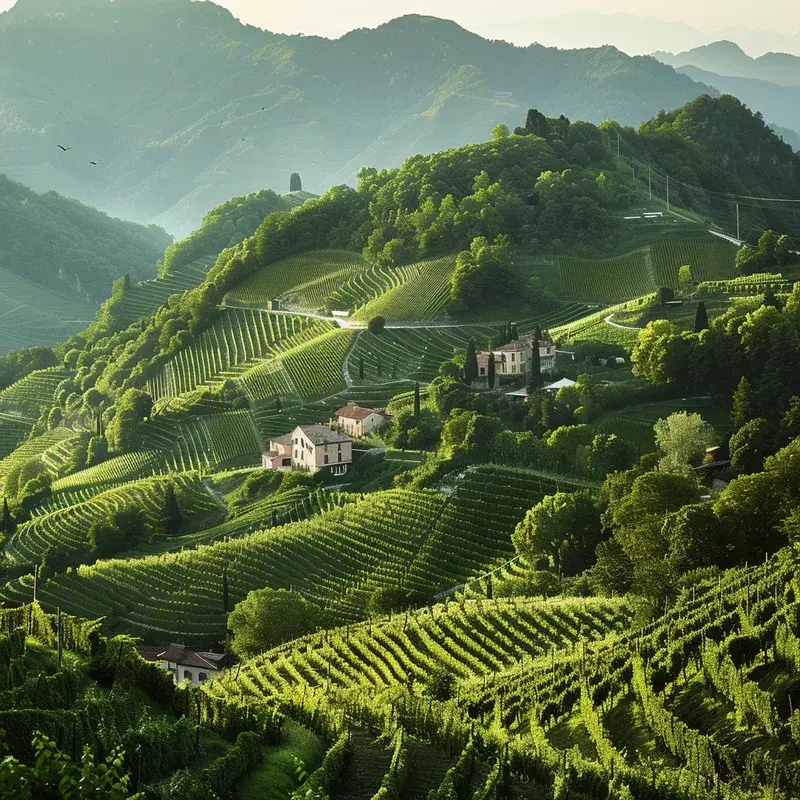
What tells them apart
Bread, toast, high acidity and fine persistent bubbles point to Champagne or Crémant; pear, white flowers and softer, frothy bubbles point to Prosecco.
Side by side
What a typical glass of each most often shows. The rows marked ✓ are where the two differ most; check those first.
| Champagne and Crémant | Prosecco (tank method) | |
|---|---|---|
| Colour | lemon | lemon-green, lemon |
| Colour depth | pale | pale |
| Sweetness | dry | dry, off-dry |
| Acidity | high | medium, high |
| Body | light, medium | light |
| Alcohol | medium | low, medium |
| Smell strength | medium | medium, light |
| Fruit | citrus, apple and pear | apple and pear |
| Ripeness of the fruit | sharp and fresh | ripe |
| Aromas | bread, brioche, yeast, nuts, almond, butter, cream, and honey | elderflower and orange blossom |
| Origin | Champagne and other French regions | Veneto, Italy |
| Grape | Chardonnay, Pinot Noir and others | Glera |
| Style family | Traditional-method sparkling | Fresh, fruity sparkling |
About each wine
Champagne and Crémant. Pale lemon with fine, persistent bubbles, high acidity, citrus and apple with bread, brioche and almond from long ageing on the lees. Crémant is the same method from other French regions.
Prosecco (tank method). Pale lemon with frothy, softer bubbles, pear and green apple with white flowers, light and easy.
Pour the two side by side and let Deduvin ask you, one glass at a time, until you can say which is which.