Sangiovese (Chianti) vs Valpolicella Ripasso: how to tell them apart blind
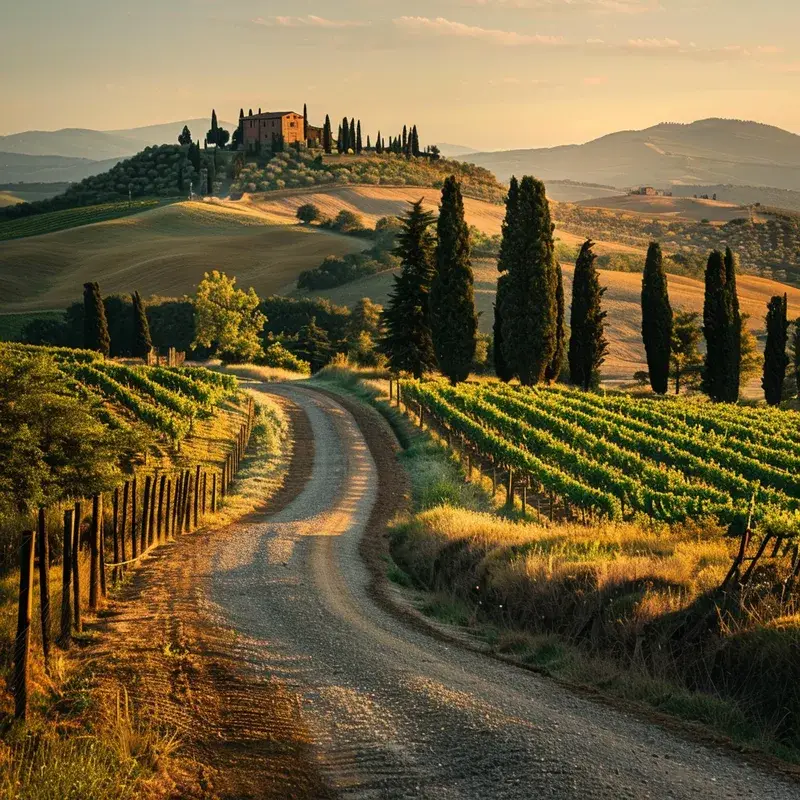
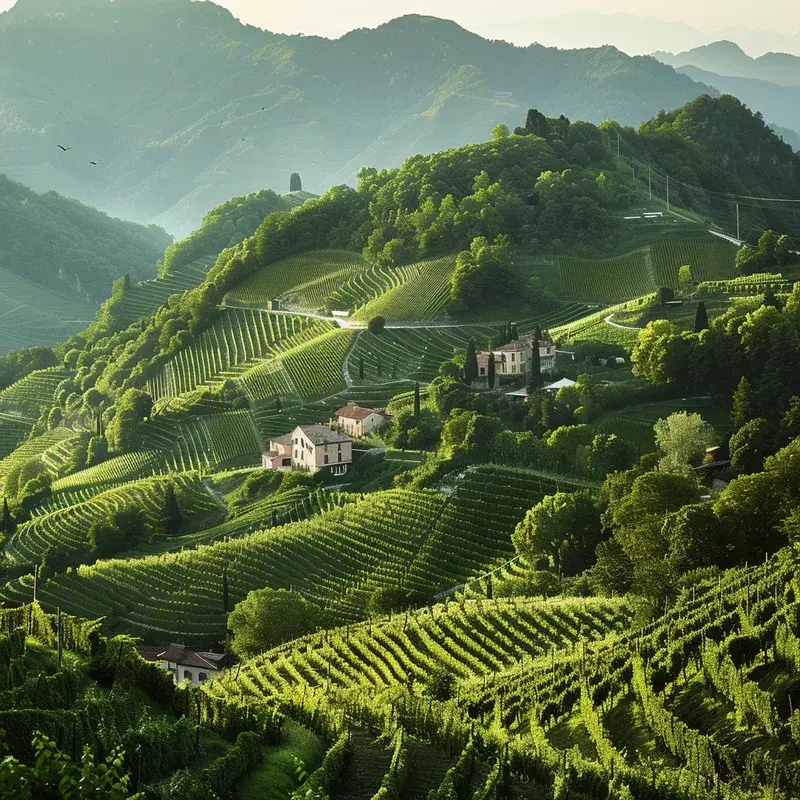
What tells them apart
Raisin, bitter almond and a hint of sweetness point to Ripasso; tart cherry and dusty tannin point to Chianti.
Side by side
What a typical glass of each most often shows. The rows marked ✓ are where the two differ most; check those first.
| Sangiovese (Chianti) | Valpolicella Ripasso | |
|---|---|---|
| Colour | ruby, garnet | ruby, garnet |
| Colour depth | medium | medium |
| Sweetness | dry | dry |
| Acidity | high | high |
| Tannin | medium, high | medium |
| Body | medium | medium, full |
| Alcohol | medium | medium, high |
| Smell strength | medium | medium |
| Fruit | red fruit | red fruit, black fruit |
| Ripeness of the fruit | sharp and fresh, ripe | jammy or dried |
| Aromas | tomato leaf, dried herbs, thyme, leather, and tobacco | raisin, fig, prune, nuts, almond, chocolate, cocoa, and clove, cinnamon |
| Origin | Chianti, Tuscany, Italy | Valpolicella, Veneto, Italy |
| Grape | Sangiovese | Corvina blend |
| Style family | Medium, fresh and savoury red | Medium, fresh and savoury red |
About each wine
Sangiovese (Chianti). Ruby to garnet, high acidity and dusty tannin, sour cherry with tomato leaf, dried herbs and leather.
Valpolicella Ripasso. Ruby to garnet, fresh acidity under a rich, almost sweet impression, raisin, cherry, bitter almond and chocolate.
Pour the two side by side and let Deduvin ask you, one glass at a time, until you can say which is which.