Riesling (dry: Alsace, Austria, Pfalz, Australia) vs Chenin Blanc (Loire, South Africa): how to tell them apart blind
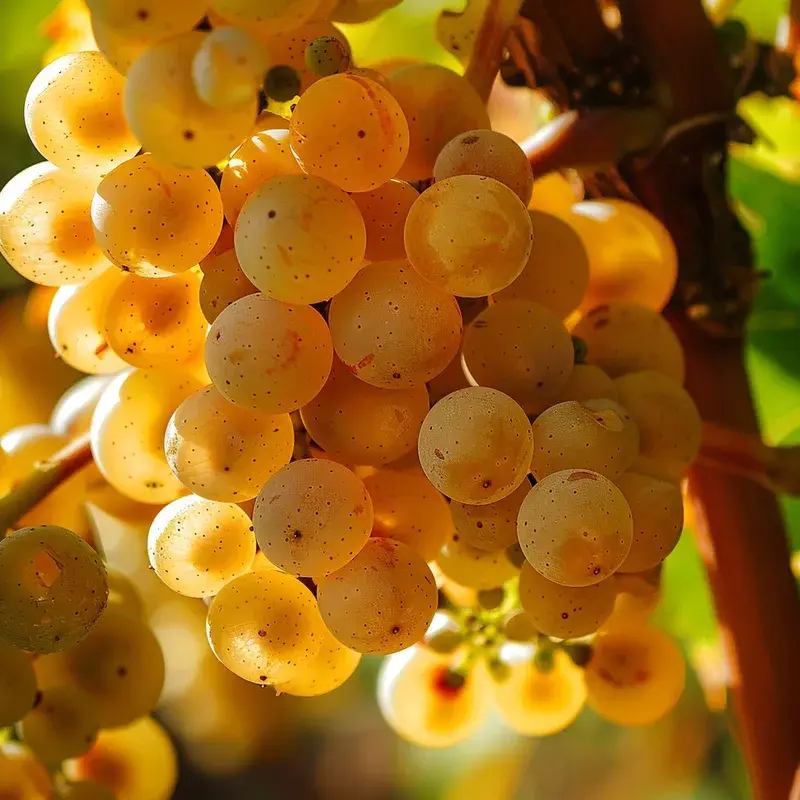
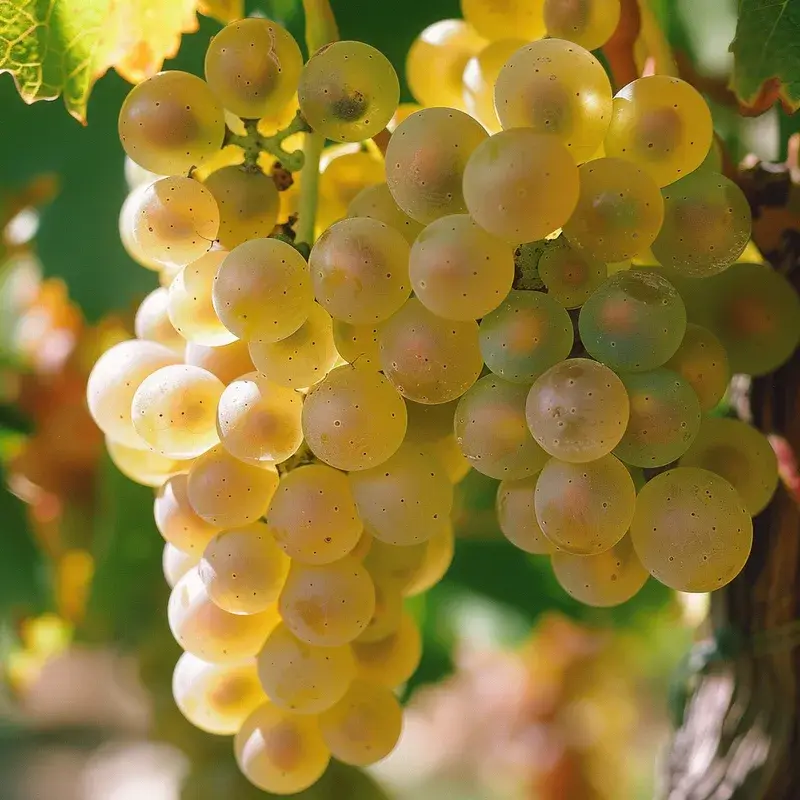
What tells them apart
Quince, honey, wax and wool point to Chenin Blanc; lime, petrol and slate point to Riesling.
Side by side
What a typical glass of each most often shows. The rows marked ✓ are where the two differ most; check those first.
| Riesling (dry: Alsace, Austria, Pfalz, Australia) | Chenin Blanc (Loire, South Africa) | |
|---|---|---|
| Colour | lemon | lemon, gold |
| Colour depth | pale, medium | medium |
| Sweetness | dry | dry |
| Acidity | high | high |
| Body | light, medium | light, medium |
| Alcohol | medium | medium |
| Smell strength | pronounced, medium | medium |
| Fruit | citrus | apple and pear |
| Ripeness of the fruit | sharp and fresh, ripe | ripe |
| Aromas | petrol, rubber, wet stone, flint, elderflower, and honey | honey, wax, lanolin, wool, nuts, almond, and wet stone, flint |
| Origin | Alsace, Austria, Pfalz and Australia | Loire, France, and South Africa |
| Grape | Riesling | Chenin Blanc |
| Style family | Aromatic, floral and fruity white | Rich, textured white |
About each wine
Riesling (dry: Alsace, Austria, Pfalz, Australia). Pale lemon, dry and taut, lime and citrus with a petrol note and wet stone.
Chenin Blanc (Loire, South Africa). Lemon to gold, high acidity with some weight, quince and apple with honey, wax and wool.
- How to recognise Riesling (dry: Alsace, Austria, Pfalz, Australia) blind
- How to recognise Chenin Blanc (Loire, South Africa) blind
Pour the two side by side and let Deduvin ask you, one glass at a time, until you can say which is which.