Pinot Noir (Bourgogne) vs Tempranillo (Rioja, crianza/reserva): how to tell them apart blind
What tells them apart
Older Rioja turns garnet too, but vanilla, coconut, dill and drier tannin point to Rioja while earth, cherry and higher acidity point to Pinot Noir.
Side by side
What a typical glass of each most often shows. The rows marked ✓ are where the two differ most; check those first.
| Pinot Noir (Bourgogne) | Tempranillo (Rioja, crianza/reserva) | |
|---|---|---|
| Colour | ruby | ruby, garnet |
| Colour depth | pale | medium |
| Sweetness | dry | dry |
| Acidity | high | medium |
| Tannin | low, medium | medium |
| Body | light, medium | medium |
| Alcohol | medium | medium |
| Smell strength | medium, light | medium |
| Fruit | red fruit | red fruit |
| Ripeness of the fruit | sharp and fresh, ripe | ripe |
| Aromas | forest floor, mushroom, rose, and clove, cinnamon | vanilla, coconut, dill, leather, and tobacco |
| Origin | Bourgogne, France | Rioja, Spain |
| Grape | Pinot Noir | Tempranillo |
| Style family | Light, pale and aromatic red | Medium, fresh and savoury red |
About each wine
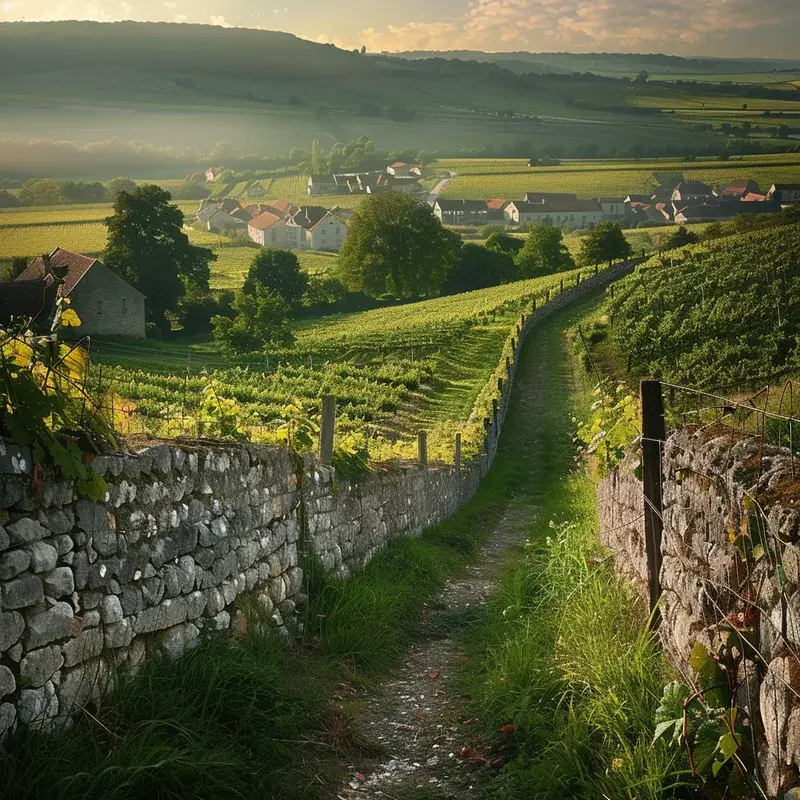
Pinot Noir (Bourgogne). Pale ruby, gentle tannin, bright acidity, red cherry and strawberry with forest floor and mushroom as it opens.
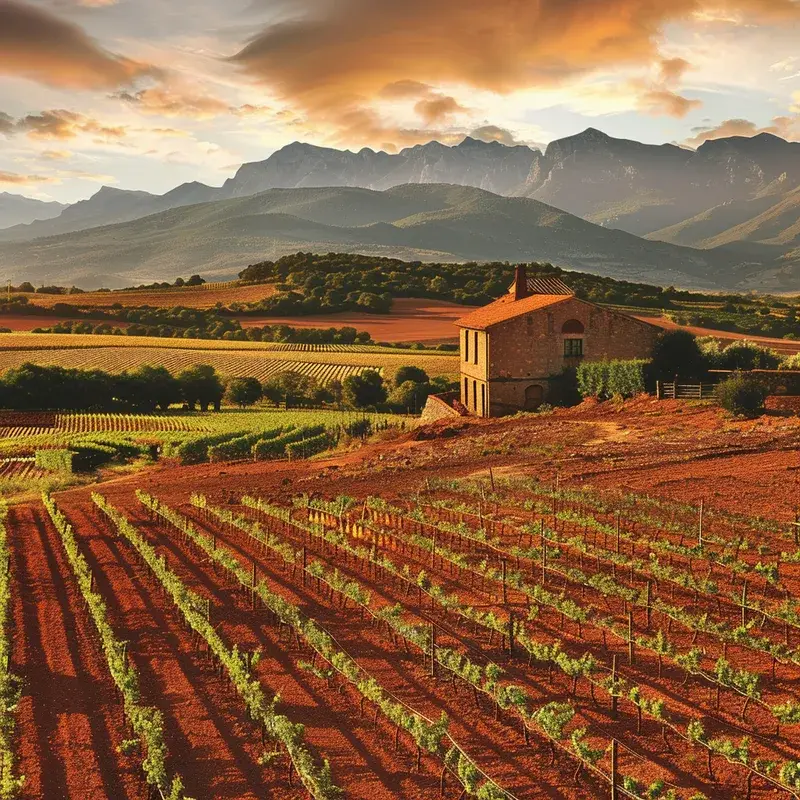
Tempranillo (Rioja, crianza/reserva). Ruby fading to garnet, smooth and medium-bodied, ripe red fruit wrapped in vanilla, coconut and dill from American oak, with leather.
- How to recognise Pinot Noir (Bourgogne) blind
- How to recognise Tempranillo (Rioja, crianza/reserva) blind
Pour the two side by side and let Deduvin ask you, one glass at a time, until you can say which is which.