Muscat (dry, Alsace, Italy) vs Torrontés (Argentina): how to tell them apart blind
What tells them apart
These are close to identical for most tasters; Torrontés has a little more acidity and a drier finish, so let the country clue decide.
Side by side
What a typical glass of each most often shows. The rows marked ✓ are where the two differ most; check those first.
| Muscat (dry, Alsace, Italy) | Torrontés (Argentina) | |
|---|---|---|
| Colour | lemon | lemon |
| Colour depth | pale | pale |
| Sweetness | dry, off-dry | dry |
| Acidity | medium | medium, high |
| Body | light, medium | light, medium |
| Alcohol | medium | medium |
| Smell strength | pronounced, medium | pronounced, medium |
| Fruit | tropical fruit, stone fruit | stone fruit, tropical fruit |
| Ripeness of the fruit | ripe | ripe |
| Aromas | orange blossom, rose, and elderflower | rose, orange blossom, and elderflower |
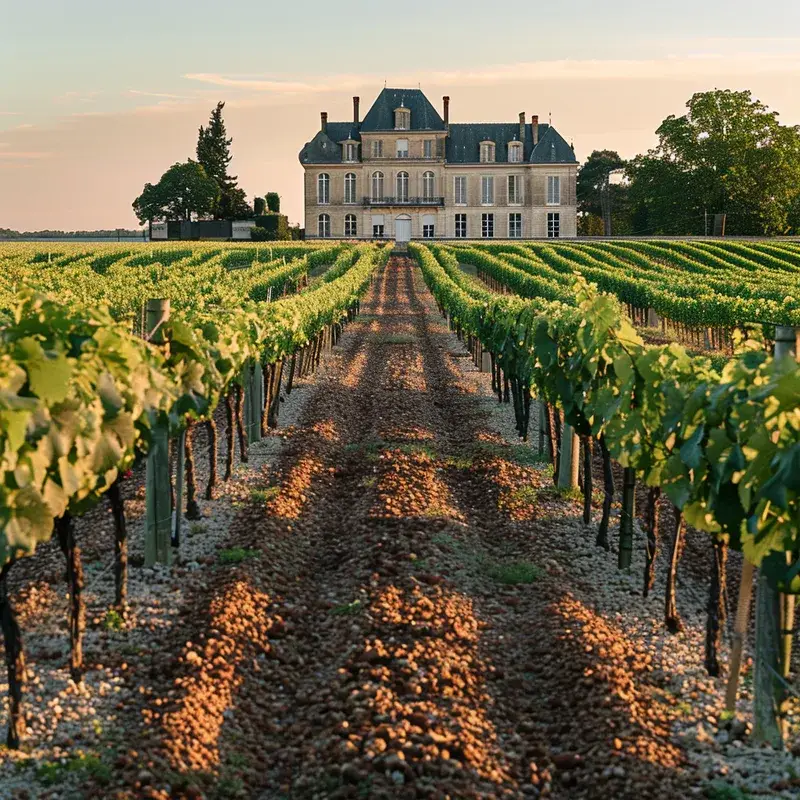
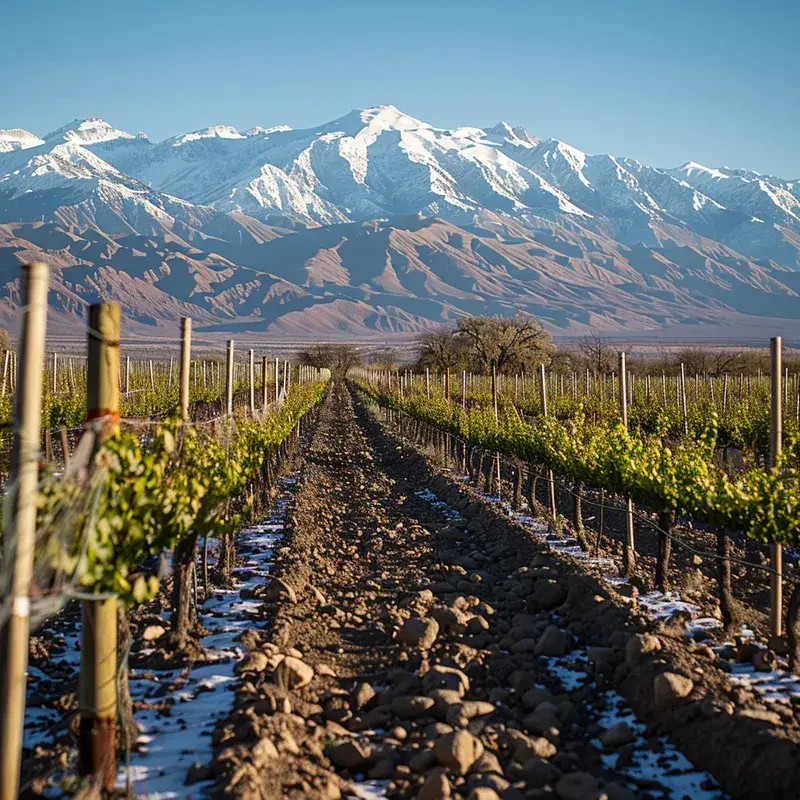
| Origin | Alsace, France, and Italy | Salta and Mendoza, Argentina |
| Grape | Muscat | Torrontés |
| Style family | Aromatic, floral and fruity white | Aromatic, floral and fruity white |
About each wine
Muscat (dry, Alsace, Italy). Pale lemon, light and fragrant, it smells exactly of fresh grapes, with orange blossom and rose.
Torrontés (Argentina). Pale lemon, dry and perfumed, grapey peach with rose and orange blossom and a fresh finish.
Pour the two side by side and let Deduvin ask you, one glass at a time, until you can say which is which.