How to recognise Cabernet Franc (Loire) blind
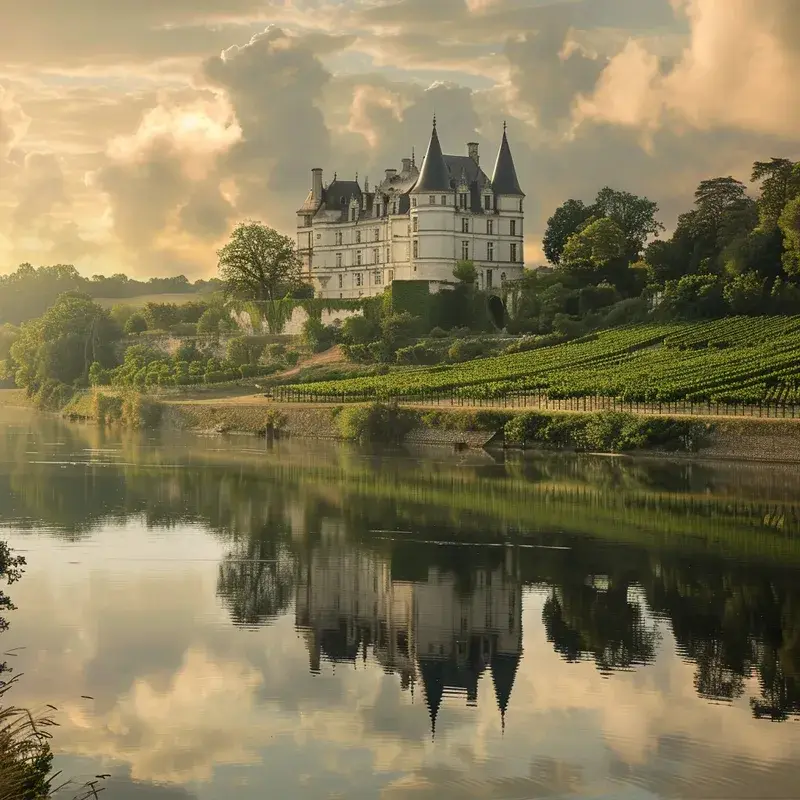
Ruby with a purple edge, fresh and lightish, tart red fruit with green bell pepper and pencil shavings.
How to use this note: the lines below say what a typical glass most often shows, and what it sometimes shows instead. A single glass can differ, so look for the pattern rather than one clue. The words are the same ones Deduvin asks you to tap. Read the lines in the order you taste: the look first, then the nose, then the palate.
Look
- Colour: most often ruby, sometimes purple.
- Colour depth: medium.
Nose
- Smell strength: medium.
- Fruit: red fruit.
- Ripeness of the fruit: sharp and fresh.
- Aromas to look for: green bell pepper, pencil shavings, graphite, violet, and tobacco.
Palate
- Sweetness: dry.
- Acidity: most often medium, sometimes high.
- Tannin: medium.
- Body: medium.
- Alcohol: medium.
Easily confused with
- Syrah (Northern Rhône). Green bell pepper, graphite and red fruit point to Cabernet Franc; black pepper, black fruit and smoke point to Syrah. How to tell Syrah (Northern Rhône) and Cabernet Franc (Loire) apart
- Cabernet blend (Bordeaux Left Bank). Lighter, leafy and red-fruited with pencil shavings is Cabernet Franc; blackcurrant, cedar, oak and high tannin is Bordeaux. How to tell Cabernet Franc (Loire) and Cabernet blend (Bordeaux Left Bank) apart
- Carmenère (Chile). Both have a green note, but Cabernet Franc is lighter with high acidity, red fruit and graphite while Carmenère is riper, softer and chocolatey. How to tell Cabernet Franc (Loire) and Carmenère (Chile) apart
Where it comes from
Origin: Loire, France. Grape: Cabernet Franc.
- Style family: Medium, fresh and savoury red.
- Climate: Cool.
- Other: Unoaked and Single variety.
- Old or new world: Old World.
- Price: Mid-range.
Other wines in the same family: Sangiovese (Chianti), Tempranillo (Rioja, crianza/reserva), Valpolicella Ripasso, Blaufränkisch (Austria, Hungary), Syrah (Northern Rhône), Barbera (Piedmont).