Assyrtiko (Santorini) vs Chardonnay (Chablis, unoaked): how to tell them apart blind
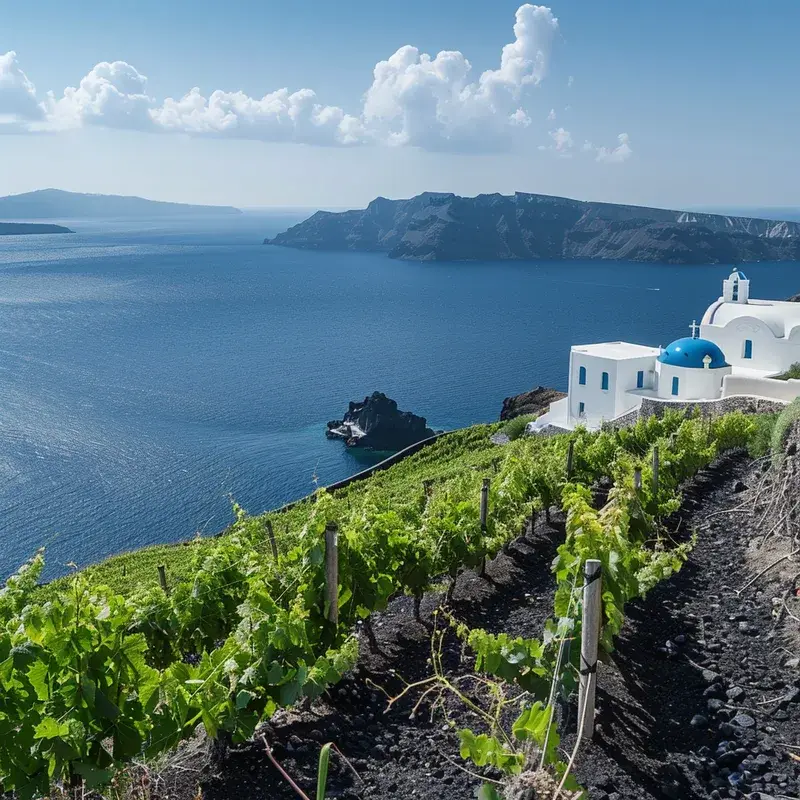
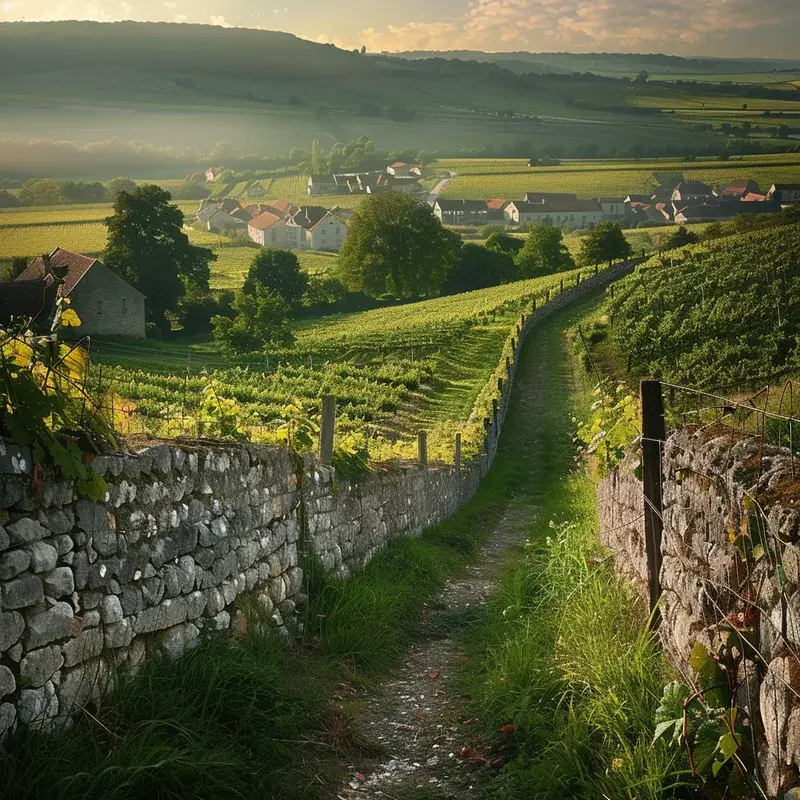
What tells them apart
Both are stony, but Assyrtiko has more alcohol and body with citrus and smoke while Chablis is lighter with green apple.
Side by side
What a typical glass of each most often shows. The rows marked ✓ are where the two differ most; check those first.
| Assyrtiko (Santorini) | Chardonnay (Chablis, unoaked) | |
|---|---|---|
| Colour | lemon | lemon-green, lemon |
| Colour depth | pale, medium | pale |
| Sweetness | dry | dry |
| Acidity | high | high |
| Body | medium | light, medium |
| Alcohol | high | medium |
| Smell strength | medium, light | medium, light |
| Fruit | citrus | citrus, apple and pear |
| Ripeness of the fruit | sharp and fresh | sharp and fresh |
| Aromas | wet stone, flint, smoke, ash, and wax, lanolin, wool | wet stone, flint and nuts, almond |
| Origin | Santorini, Greece | Chablis, Bourgogne, France |
| Grape | Assyrtiko | Chardonnay |
| Style family | Crisp, light and neutral white | Crisp, light and neutral white |
About each wine
Assyrtiko (Santorini). Pale lemon, bone dry with piercing acidity and real weight, lemon and wet stone with a smoky, salty edge.
Chardonnay (Chablis, unoaked). Pale lemon-green, steely and dry, green apple and lemon with wet stone and oyster shell, no oak.
Pour the two side by side and let Deduvin ask you, one glass at a time, until you can say which is which.